
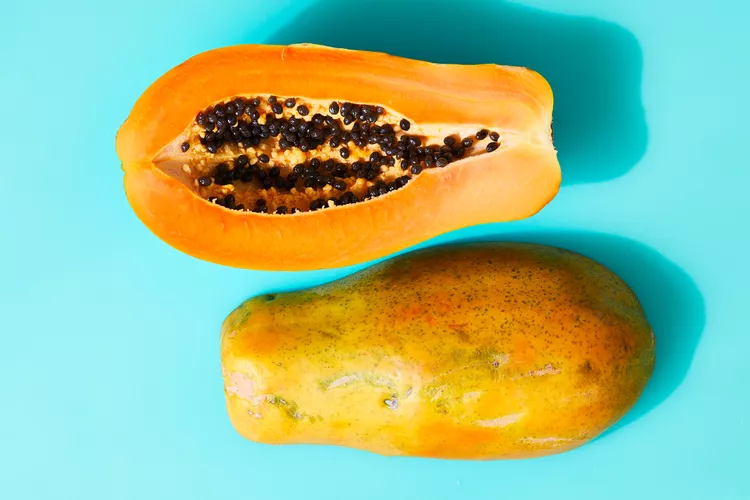
If you’ve ever sliced into a juicy, ripe papaya, you know these tropical fruits are packed with little black seeds. Most home chefs toss out the seeds, but you can use them to grow papayas from seed instead. Whether you dream of growing papayas outdoors or want to keep one as a houseplant, this guide includes step-by-step instructions for sprouting papaya seeds as well as simple, practical tips on caring for your new seedlings.
Can You Grow Papayas Indoors?
Papayas are heat-loving plants that can be grown outdoors in USDA Plant Hardiness Zones 9–11. In cooler regions, papayas are typically kept in greenhouses where they grow and fruit prolifically.
If you live in a cool climate and don’t have a greenhouse, you can grow papaya trees indoors as novelty houseplants. In homes, papayas are unlikely to fruit, but they still offer appealing leafiness. Just keep in mind that full-sized papaya trees can grow over 20 feet tall. Indoor trees need to be pruned often to maintain a small, compact shape.
Steps for Growing Papaya from Seed
Like lemons, dragon fruit, and persimmons, papayas can be grown from seeds purchased through seed catalogs or harvested from store-bought fruit. Although papayas are relatively no-fuss plants, following these simple planting tips will boost germination rates and help papaya seeds sprout faster.
What You Need
- Fully ripe papaya
- Knife
- Jar or other small container
- Fine mesh strainer
- Paper towels
- Seed-starting trays or individual planting pots
- Seed-starting mix
1. Collect papaya seeds.
Select a fully ripened papaya with greenish-yellow to golden-yellow skin that is slightly soft to the touch. Cut the papaya in half and scoop out the seeds.
2. Remove the seed coat.
Fresh papaya seeds are covered in a clear, jelly-like substance or seed coat, which keeps seeds from germinating prematurely. However, seed coats can make papaya seeds less likely to sprout, so removing the seed coating before planting is a good idea.
To do this, place the papaya seeds in a container filled with water and soak the seeds overnight. Pour the seeds into a fine mesh strainer, gently rub the seeds against the strainer to brush off the seed coat, and then rinse the seeds to remove any remaining pulp.
3. Let seeds dry.
If you want to plant the papaya seeds right away, there’s no need to dry them. However, if you plan to store the seeds for a future date, spread them out on a paper towel and tuck them away in a warm, dark place for a week or two. After the seeds are fully dry, seal them in paper envelopes, label and date the envelopes, and store the seeds in a cool, dark place until you’re ready to plant.
When properly stored, papaya seeds remain viable for about 16 months. Older seeds may still sprout, but germination rates decline with age.
4. Plant papaya seeds.
To plant fresh or dried papaya seeds, fill up seed-starting trays or individual pots with a pre-moistened seed-starting mix and sow the seeds about ¼ inch deep. Not all the seeds may germinate, so plant more seeds than you think you’ll need—up to three seeds per planting cell. Move the planted trays or pots into a warm, sunny area and water them enough to keep the soil mix moist. Papaya seeds should germinate in about two weeks.
If you live in a warm location, you can plant seeds directly in your garden, but make sure you amend the soil with compost before planting to support heavy-feeding papayas.
5. Thin out the seedlings.
When the papaya seedlings reach a few inches tall and have one to two sets of true leaves, thin out the weakest seedlings so that each remaining papaya seedling has its own pot or cell.
If you are growing papaya plants for fruit, keep at least five healthy seedlings. While some papayas are self-pollinating, many are either male or female, and you need both a male and female plant to produce fruit. Keeping multiple papaya seedlings increases the odds that you’ll end up with at least one male and one female papaya.
6. Transplant papaya seedlings.
When the papaya seedlings are at least 4 inches tall and have at least two sets of true leaves, transplant the seedlings into a larger pot or your garden. When transplanting, handle papaya roots carefully and plant seedlings at the same depth they were growing in their original pot or seedling tray.
To grow papayas in pots, choose a container with drainage holes that is at least 15 to 20 gallons or 18 inches wide to give the tree plenty of room to grow.
To grow papayas outdoors in Zones 9–11, choose a sunny planting spot with well-draining soil and transplant papayas outdoors on an overcast day when the weather is warm.
How to Care for a Papaya Tree
Whether you grow papayas indoors or out, they require rich, well-draining soil and at least six to eight hours of bright light daily. On top of that, papayas are heavy feeders that should be fertilized every two to four weeks during the growing season with an organic, liquid fertilizer diluted to half strength. From time to time, check papaya plants over carefully for spider mites, powdery mildew, or other signs of pests, diseases, or stress.
Keeping papayas indoors is trickier than growing papayas in your garden. However, you can keep indoor papayas growing strong by moving them outdoors during summer and bringing them back inside when the temperature drops below 65°F. Locating indoor papayas near a humidifier is also a good idea, as these plants grow best when humidity levels are 60% or higher.