
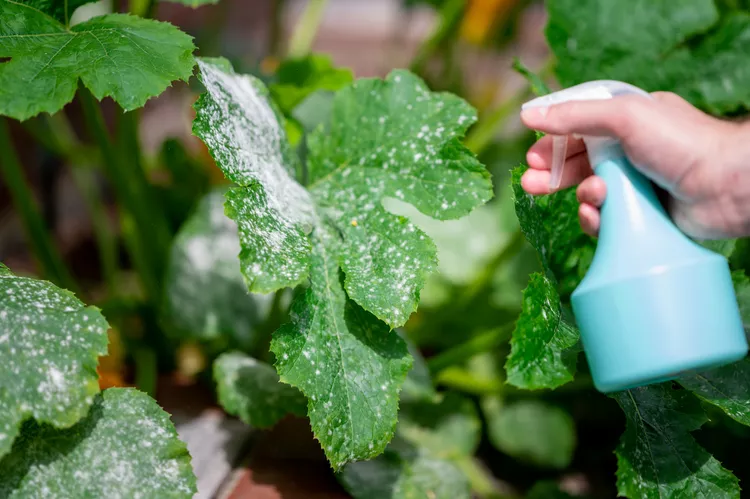
When their leaves look like they've been dusted with flour, chances are good there's powdery mildew on squash plants. It's one of the most common diseases in the vegetable garden. The fungi that cause the disease are somewhat specific to the plants they target. The ones that cause the disease on squash (both summer squash varieties such as zucchini and winter squash types like butternut) may also infect melons, cucumbers, and pumpkins. Symptoms range from mild, which may only slightly reduce yields, to severe, killing the entire plant. Here's how to prevent powdery mildew on squash plants, plus tips for minimizing damage to infected plants.
What is powdery mildew?
Lots of plants, both edible and ornamental, can get powdery mildew. Unlike many other fungal plant diseases, the fungi that cause powdery mildew thrive in hot, dry weather, often the norm in mid-to-late summer. As these fungi grow on the surface of leaves, they clog leaf pores and block sunlight that the plant needs to grow. The disease can be introduced to the garden on plants purchased from the nursery or spores in the soil. It's spread by wind, insects, and on garden tools and hands that touch infected plants.
Powdery Mildew Symptoms
Powdery mildew on squash (and other plants) is pretty simple to identify. The first thing you'll probably notice is blotchy patches of white-gray powdery spots that are dry to the touch on the surface of leaves. These quickly spread out and can cover most of the leaves and stems. Leaves turn yellow, then brown and brittle, and finally curl up and fall off. Diseased plants usually produce fewer and smaller fruit. Loss of leaves can expose fruit to too much sun, and they may become scorched. If the powdery mildew continues to spread, the entire plant may turn brown and die.
Some varieties of squash have leaves that naturally feature white markings. It's easy to distinguish those natural, healthy markings from powdery mildew on squash by rubbing them with your fingers. If the markings don't budge, you're ok. However, your plants have powdery mildew if the white comes off the leaves as a powder on your fingers.
Tips for Preventing Powdery Mildew on Squash Plants
The best way to protect your plants from powdery mildew damage is to prevent the disease from infecting plants in the first place. There are several good strategies you can follow to avoid infection, including:
- Plant-resistant varieties. There are lots of resistant varieties of both winter and summer squashes; they're often marked "PMR," indicating their resistance to powdery mildew (see the list below)
- Use the recommended seed spacing. Powdery mildew can easily spread from leaf to leaf and plant to plant. Spacing plants so that they have good air circulation will reduce the spread and increase light to leaves.
- Plant squash in full sun. Shady conditions increase spore germination.
- Do not overfertilize plants. This overstimulates tender new growth that gets infected more easily.
- Spray plants with water. Unlike most fungal diseases, powdery mildew spreads most quickly in hot, dry weather. Overhead watering or spraying plants with a garden hose can minimize disease development. Be sure to water in the morning so that leaves dry off before night to avoid encouraging other plant diseases from taking hold.
- Rotate crops. Because powdery mildew spores can survive winter in the soil, plant squash in different locations on a three- to four-year rotation schedule.
How to Get Rid of Powdery Mildew
Because powdery mildew is a common disease that spreads quickly, be prepared to act as soon as you notice symptoms. First, remove infected leaves as soon as you detect the white powdery spots. If any plants show severe symptoms, remove them altogether. Put infected plant parts in the trash (not your compost pile) so the disease doesn't spread to healthy plants. And avoid handling healthy plants after touching diseased plants. This is a sure way to spread the disease. The same applies to tools used on diseased plants. Make sure first to wash your hands and disinfect your tools with a 10% bleach solution.
Several organic sprays can help minimize the disease. They're most useful early in the infection; they won't cure powdery mildew once it's severe. One of the most effective sprays is neem oil, an extract from the tropical neem tree. It's a good control for mild to moderate powdery mildew infections. Spray both upper and lower surfaces of leaves. Apply every week until you detect no more symptoms, then every two weeks to avoid the mildew's return. Sulfur sprays and stylet oil fungicides will also reduce the spread of powdery mildew. Only spray when temperatures are below 90°F to prevent burn and don't spray when bees are active.
Squash Varieties Resistant to Powdery Mildew
Summer Squash
- Yellow (straight or crookneck): Patriot II, Sunglo, Sunray, Delta, Smooth Operator
- Zucchini: Payroll, Sebring, Dunja, Yellowfin, Green Machine
Winter Squash
- Acorn: Royal Ace, Table Star, Taybelle
- Butternut: Autumn Frost, Butterbaby, JWS 6823 PMR, Metro PMR
- Specialty: Cornell Bush Delicata (delicata), Sugaretti (spaghetti), Winter Sweet (kabocha)