
• HOME
  • Container Gardens
  • Houseplants
  • Edible Gardening
  • Garden Design
  • Caring for Your Yard
  • Pest & Problem Fixes
  • Trees, Shrubs & Vines
  • Landscaping
  • Terms of Use
  • About Us
  • Privacy Policy
znewzion.comznewzion.com
  • HOME
  • Container Gardens
  • Houseplants
  • Edible Gardening
  • Garden Design
  • Caring for Your Yard
  • Pest & Problem Fixes
  • Trees, Shrubs & Vines
  • Landscaping
znewzion.com znewzion.com
znewzion.com » Trees, Shrubs & Vines » Planting a Bradford Pear Tree Might Be a Mistake—Here's Why
Trees, Shrubs & Vines

Planting a Bradford Pear Tree Might Be a Mistake—Here's Why

18.9K
1.5K
407
Planting a Bradford Pear Tree Might Be a Mistake—Here's Why

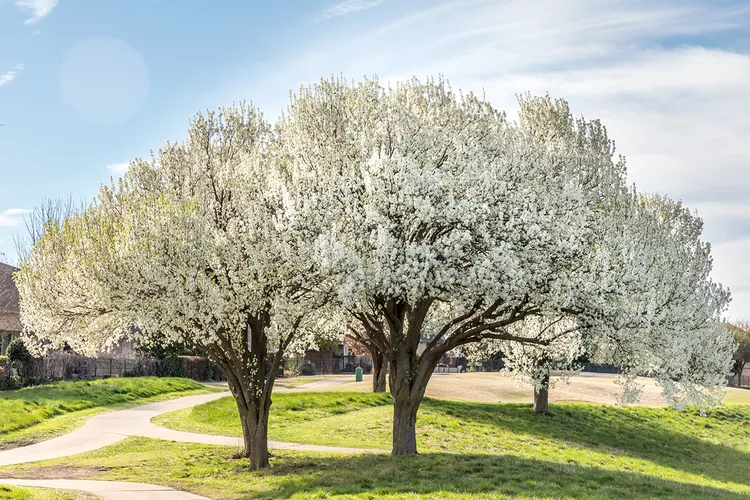
Bradford pear trees are the trees people love to hate. Notorious for their funky-smelling flowers, these blooming trees are a sign of spring in many places—but that's not to say they're welcomed with smiles from everyone. Besides their unpleasant scent, the trees' invasiveness has become so bad that many cities are offering incentives to homeowners to cut the trees down.

Years ago, I decided to ignore the rumors about this infamous Callery pear cultivar and plant one anyway, because I believe every plant deserves a chance. Plus, how beautiful are those white flowers? Here's what I learned.

Bradford Pear Tree History and Problems

Bradford pear was introduced in the mid-1960s and soon became the most popular cultivar of Callery pear (Pyrus calleryana). In fact, it's so popular that the two terms are pretty much used interchangeably by the public. It was a favorite of landscapers and municipal planners alike for several reasons. The trees look gorgeous when covered in white flowers in spring and offer pretty fall foliage as well. Bradford pear trees grow fast and take any kind of soil without complaint. And at first, they were pest-resistant and disease-free.

But before long, the tree's shortcomings started to cause problems. The Bradford pear tree was supposed to be small but ended up growing 40 to 50 feet tall. And the flowers had a sickeningly sweet aroma that hung in the air when the trees were planted in groups (a common practice with street trees).

Other flaws are harder to ignore. Bradford pear trees have a significant structural challenge, with a bunch of weak branches arising from the same section of the trunk. If a winter storm doesn't make a wreck of the tree, the poorly structured branches do it themselves. The trees can literally fall apart after 20 years.

And finally, the biggest pain became evident: Bradford pear trees haven been crossing with other flowering pear trees. The offspring revert to the characteristics of the species, which means tire-puncturing thorns and aggressive thickets that crowd out native plants.

My Experience with Bradford Pear Trees

One solution to the issues with Bradford pear trees was to use sterile cultivars that wouldn't reproduce. I bought one, a Cleveland Select, which had an upright, columnar shape that promised to be better behaved. Plus, it still had great fall foliage—a mix of burgundy and yellow in mid-November after everything else was finished. As for the flowers, I planted mine behind the garage, so I never noticed a smell.

One thing I did notice was fruit. After 10 barren years, my fruitless pear tree suddenly became a mother. As it turns out, sterile trees can still produce fruit if there's a cross-pollinator nearby.

The verdict: Although a sterile version of this tree may not drop fruit or produce a bad smell, there's a chance it'll still cross-pollinate. That means its undesirable genes could mix with those of native pears, which could produce seeds that turn into problem plants.

If you've got one, consider cutting it down (it makes good firewood!) and replacing it with a better-behaved, less-problematic flowering tree. Some of my favorites include flowering dogwood tree, serviceberry, flowering cherry, and fringe tree. Not only will your neighbors thank you for sparing their noses from the stench of a Bradford pear tree in flower, but you'll help keep native plant habitats healthier.

Frequently Asked Questions

  • Where are Bradford pear trees banned in the US?

    Bradford pear trees are banned in several states, including South Carolina, Ohio, Pennsylvania, and Virginia. Plus many cities are encouraging residents to remove these trees. They are considered an invasive species because they overwhelm native plants and are hard to eradicate, especially once they start to spread.

  • How can you tell when a Bradford pear tree is diseased?

    Many fruit trees can suffer from fire blight, which causes the leaves to turn crispy black or brown, and fall off completely. Another telltale sign that this tree is diseased is when you spot twigs that turn black and curl over, looking like they've been burned.

  • How do you get a Bradford pear tree out of your yard?

    For a fee, a local tree service should be able to help you remove it. However, you also need to get rid of the remaining tree stump by digging it up, grinding it down, or treating it with herbicide. The best time to do this is early in the season, before the tree starts producing berries.

  • What do Bradford pear tree flowers smell like?

    Some people have compared the odor of Bradford pear flowers to rotten fish. Others have compared it to fecal matter. The smell lingers until the blooms fall to the ground.

Related Posts

27.1K
1.4K
378

How to Use Fertilizer for Plants According to Experts

34.2K
342
58

How to Test Your Garden Soil’s pH Level in 4 Simple Steps

25K
2.3K
315

How to Use a Compost Tumbler to Turn Scraps Into Garden Nutrients

18.3K
549
115

What to Know About Well-Drained Soil and Boosting Plant Drainage

25.1K
2.3K
586

The Best Types of Pear Trees to Grow for Your Climate

30.8K
1.8K
239

8 Reasons Why Your Lemon Tree Leaves Are Turning Yellow, and How to Fix Them

15.9K
159
58

29 of the Best Plants for Trough Gardens

32K
3.2K
384

Water Container Garden

28.1K
1.4K
673

9 Dish Garden Designs That Will Bring the Outdoors In

48.6K
2.9K
699

3 Potted Plant Arrangement Ideas for a Gorgeous Patio Garden

32.1K
963
481

11 Budget-Friendly Front Yard Landscaping Ideas

44.6K
4K
1.7K

How to Plant and Grow Fairy Moss

4.2K
417
50

Sunny Landscape Ideas

20.4K
611
250

Landscape Planning Tips From Start to Finish for a Perfect Yard

46K
3.2K
1.1K

How to Get Rid of Grasshoppers So They Don't Eat Your Plants

10.1K
302
54

How to Get Rid of Flea Beetles in Your Garden

46.5K
2.8K
836

How to Make a Pallet Potting Bench for Your Gardening Projects

39K
2K
721

How to Use Floating Row Covers to Stretch Your Growing Season

39.3K
2K
962

10 Tips for Growing Zucchini in Pots

2.6K
129
37

How Often to Water Basil to Keep Its Tasty Leaves Thriving

How to Use Fertilizer for Plants According to Experts
How to Test Your Garden Soil’s pH Level in 4 Simple Steps
How to Use a Compost Tumbler to Turn Scraps Into Garden Nutrients
What to Know About Well-Drained Soil and Boosting Plant Drainage
The Best Types of Pear Trees to Grow for Your Climate
8 Reasons Why Your Lemon Tree Leaves Are Turning Yellow, and How to Fix Them
29 of the Best Plants for Trough Gardens
Water Container Garden
9 Dish Garden Designs That Will Bring the Outdoors In
3 Potted Plant Arrangement Ideas for a Gorgeous Patio Garden
11 Budget-Friendly Front Yard Landscaping Ideas
How to Plant and Grow Fairy Moss
Sunny Landscape Ideas
Landscape Planning Tips From Start to Finish for a Perfect Yard
How to Get Rid of Grasshoppers So They Don't Eat Your Plants
How to Get Rid of Flea Beetles in Your Garden
How to Make a Pallet Potting Bench for Your Gardening Projects
How to Use Floating Row Covers to Stretch Your Growing Season
10 Tips for Growing Zucchini in Pots
How Often to Water Basil to Keep Its Tasty Leaves Thriving
znewzion.com ©2026
  • Terms of Use
  • About Us
  • Privacy Policy